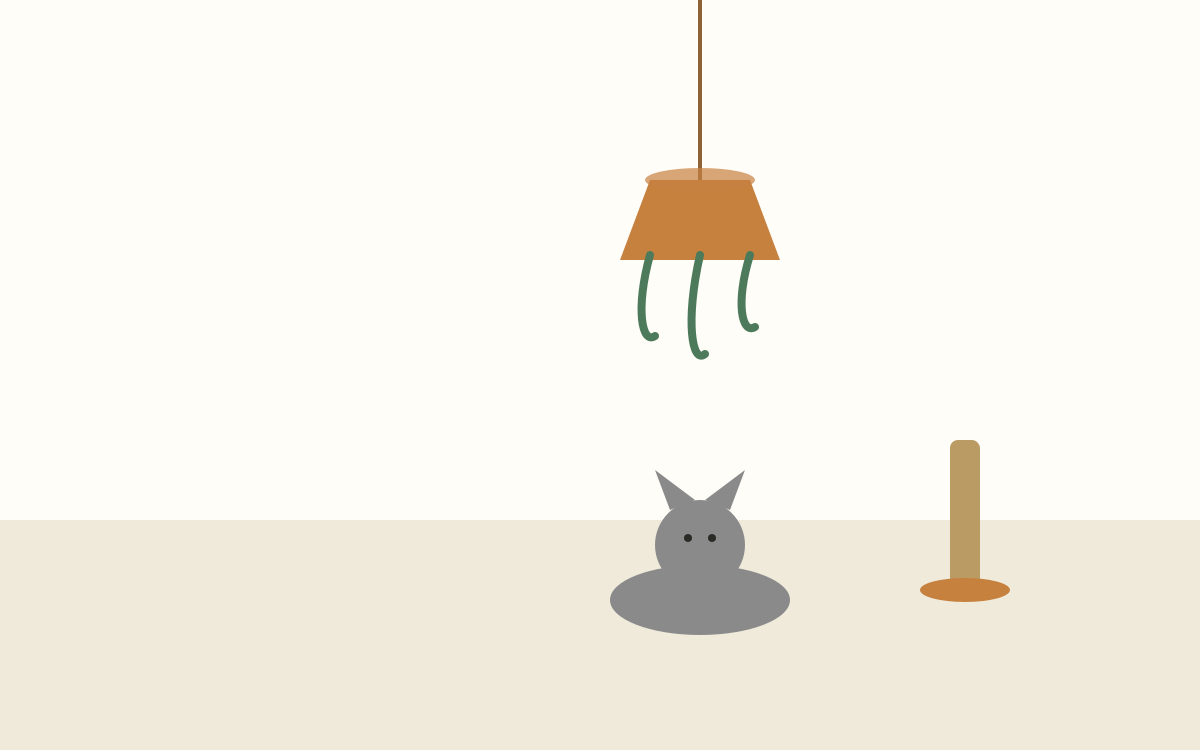
Why cats target houseplants in the first place
Understanding the underlying motivation makes it much easier to choose an effective deterrent rather than guessing. Cats are drawn to houseplants for a handful of distinct reasons, and the right fix depends on which one applies. Most generic advice fails specifically because it treats all plant-directed cat behavior as one problem with one solution, when in reality a cat digging in soil and a cat chewing leaves are responding to entirely different instincts and need entirely different responses.
- Texture and play instinct — trailing leaves and stems move in a way that triggers a cat's natural predatory response to swat and chase.
- Digging instinct — loose potting soil resembles the substrate cats instinctively want to dig and bury waste in, similar to litter box behavior.
- Dietary instinct — some cats chew on plant material as an instinctive behavior related to their wild ancestors occasionally consuming plant matter, possibly to aid digestion.
- Boredom or attention-seeking — a plant that gets a reaction from you when disturbed can become an effective, if frustrating, way for a cat to get your attention.
- Height and vantage point — cats are drawn to elevated surfaces generally, and a plant shelf or stand is often simply an appealing perch that happens to have a plant on it.
A single cat's plant-related behavior often involves more than one of these motivations at once, which is why a single deterrent technique doesn't always fully solve the problem on its own.
Matching the strategy to the specific behavior
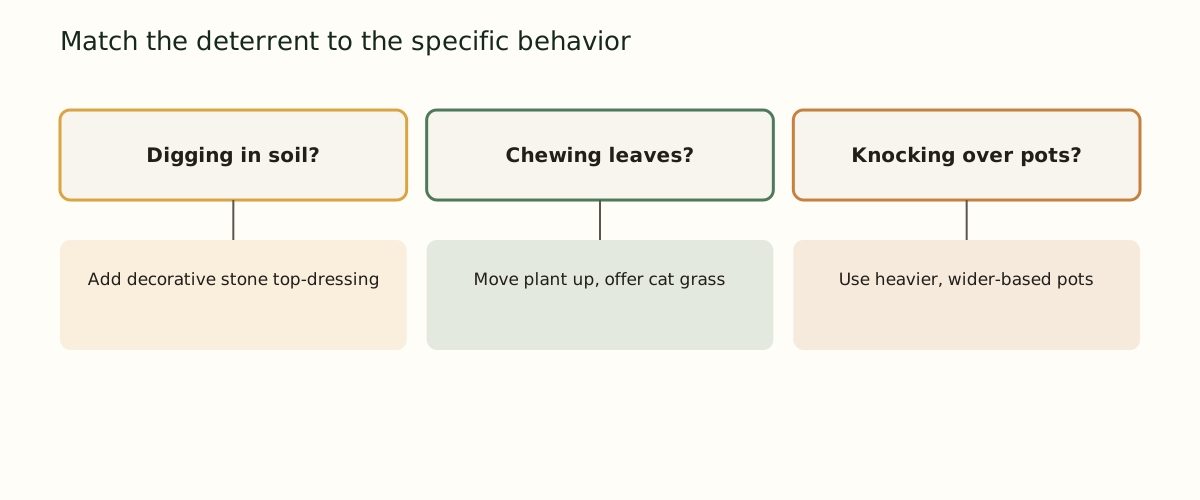
Before trying every deterrent at once, spend a few days actually observing which specific behavior is happening, ideally noting the time of day and what seems to precede it. A cat that digs in soil needs a different fix than a cat that chews leaves, and treating both the same way wastes effort on techniques that don't address the actual problem, while a few days of careful observation upfront usually saves considerably more time than it costs.
Physical barriers and placement
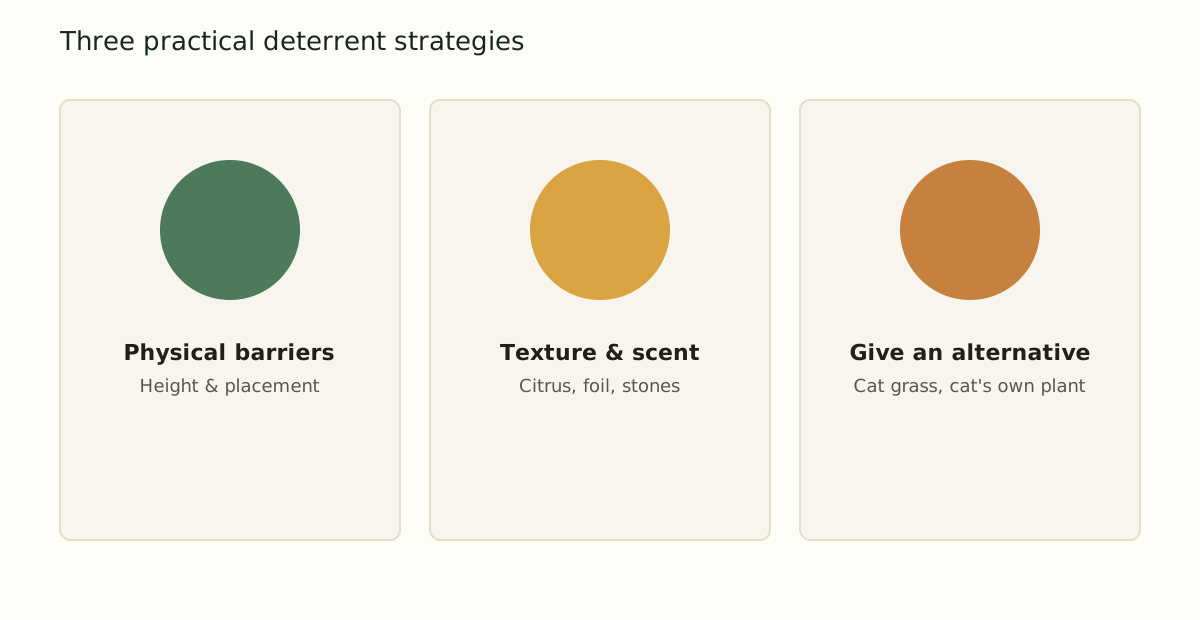
The most reliable fix, when it's practical, is simply putting the plant somewhere the cat genuinely can't reach. Cats are excellent jumpers and climbers, so "out of reach" needs to account for nearby furniture, shelves, or windowsills a cat could use as a launch point, not just raw height off the floor. Hanging plants from the ceiling, using wall-mounted shelves with no adjacent furniture bridge, or dedicating a closed-door room to plants a specific cat has shown strong interest in are all genuinely effective versions of this strategy, even though they require more setup than a spray-on deterrent.
It's worth actually testing a proposed "out of reach" spot before committing a favorite plant to it, since cat jumping ability is often underestimated — many healthy adult cats can comfortably clear five to six feet vertically from a standing start, and considerably more with a running approach or a stepping-stone piece of furniture along the way. A shelf that looks safely high from a human's eye level may still be well within an athletic cat's reach, particularly a younger cat in good physical condition.
Texture and scent deterrents
Cats generally dislike certain textures and scents enough to avoid them, which can be used to protect a plant without fully relocating it, and this layer of deterrence pairs especially well with placement changes for plants that can't be moved completely out of reach for practical reasons:
- Citrus peels or citrus-scented sprays placed on and around soil are a widely reported deterrent, since most cats dislike the smell, though effectiveness varies by individual cat.
- Aluminum foil or double-sided tape on the soil surface or pot rim creates an unpleasant texture that discourages digging and pawing without harming the plant.
- Decorative stones or pinecones as a top-dressing physically block access to the soil surface, which is often the single most effective fix specifically for digging behavior, since it removes the appealing surface entirely rather than just making it unpleasant.
- Commercial bitter-apple sprays, sold specifically as pet deterrents, can be applied to leaves to discourage chewing, though always test on a small leaf area first to confirm the specific plant tolerates it without damage.
Giving cats their own plant
Redirecting a cat's plant-related instincts toward an acceptable outlet often works better than pure deterrence alone. A dedicated pot of cat grass — usually a quick-growing wheat, oat, or barley grass sold specifically for this purpose — gives a cat a designated plant it's allowed to chew, which can meaningfully reduce interest in your other houseplants. Placing this alternative in a location the cat already frequents, and initially keeping other plants further away or behind a barrier while the cat's habit shifts, improves the odds this redirection actually works rather than simply adding one more available plant to chew.
Cat grass grows quickly from seed and is inexpensive enough to keep several trays in rotation, since a heavily chewed tray can look ragged within a couple of weeks under enthusiastic use. Starting a fresh tray every ten to fourteen days keeps an appealing, fast-growing option consistently available, which matters more for this strategy's success than any single planting — a single depleted, half-eaten tray of cat grass is a much weaker draw than a lush, actively growing one.
Stopping pots from getting knocked over
Knocking plants over is often a separate issue from chewing or digging, more related to a cat's general interest in batting objects off elevated surfaces to watch them fall — a well-documented feline behavior that seems to be reinforced simply by the sensory feedback of an object moving and landing, independent of the plant's identity as a plant at all. Heavier pots — ceramic or terracotta rather than lightweight plastic — are simply harder to tip, and a wider base relative to the plant's height improves stability significantly. For particularly precarious spots, museum putty or removable adhesive designed for securing decor can anchor a pot's base to a shelf without permanent damage, and it's specifically formulated to hold firm against a cat's paw while still allowing the pot to be lifted off deliberately when needed for watering or care.
Using positive reinforcement alongside deterrents
Deterrents work by making the plant itself less appealing, but pairing that with positive reinforcement for using the alternative you've provided speeds up the process considerably compared to deterrence alone. When you notice a cat interacting with cat grass or another approved plant instead of a protected houseplant, calm praise, a small treat, or a bit of play attention reinforces that choice more effectively than any amount of after-the-fact correction on the plants you're trying to protect. This is standard operant conditioning, the same mechanism behind most successful cat training generally, and it tends to produce more durable results than deterrence alone because it actively teaches the cat what to do rather than only what not to do.
Consistency matters more than intensity here — a cat that occasionally gets away with digging in a protected pot, even after weeks of otherwise successful redirection, can have that behavior reinforced by the occasional success, similar to intermittent reinforcement in any learning context. Keeping deterrents in place consistently, rather than removing them once initial improvement is seen, helps lock in the new behavior pattern more durably over the following weeks and months.
Handling specific common scenarios
The cat that only digs in freshly repotted plants
Freshly turned, loose soil is more appealing to a digging cat than soil that has settled and compacted somewhat over subsequent weeks, so this pattern is fairly common specifically in the period right after repotting. A temporary stone top-dressing for the first few weeks after repotting, removed once the soil has settled and lost some of its initial looseness, often resolves this without needing a permanent decorative layer on every pot going forward indefinitely.
The cat that seems to target one specific plant
If a cat consistently targets one particular plant out of an entire collection, it's worth considering whether that plant has a distinctive texture, movement, or position that's driving the specific interest — a trailing pothos swaying near a walkway, for instance, is a very different visual trigger than a stationary snake plant tucked quietly in a corner. Addressing that specific plant's placement or texture, rather than applying a blanket deterrent strategy to the entire collection, is usually the more efficient and less disruptive fix.
The multi-cat household where only one cat is the problem
In homes with multiple cats, plant-directed behavior is often concentrated in one particular animal rather than evenly distributed across every cat in the household. Physical relocation and barriers tend to be more reliable in this situation than scent or texture deterrents, since a single determined cat may persist through mild deterrents that would discourage a more casually interested one, while the other cats in the household may not need any intervention at all, making a household-wide deterrent approach unnecessary and somewhat wasteful of effort.
Deterrents that sound reasonable but rarely work
Some commonly repeated advice is less effective than its popularity suggests. Simply telling or scolding a cat after the fact rarely changes future behavior, since cats don't reliably connect a delayed correction with the specific action that caused it — the correction needs to happen essentially in the moment to have any real effect, which is rarely practical for a busy household. Spraying a cat directly with water is similarly inconsistent as a long-term fix; some cats habituate to it quickly, and it addresses the symptom in the moment without changing the plant's ongoing appeal or the underlying instinct driving the behavior. Relying solely on verbal cues without any physical barrier or redirection tends to produce the weakest, least durable results of any approach covered in this guide, and can also strain the trust between a cat and its owner if used too frequently or harshly.
Combining deterrence with pet-safe plant choices
Deterrence and toxicity are separate concerns worth addressing together rather than in isolation. Even with the best deterrent strategy, a cat may occasionally get access to a plant, so choosing genuinely pet-safe species from our pet-safe houseplant guide for plants kept at accessible heights adds a meaningful safety margin on top of whatever deterrents you're using. Reserve any toxic plants specifically for locations where deterrence is closer to guaranteed — a closed-door room or a securely out-of-reach hanging spot — rather than relying on deterrents alone to manage risk around a genuinely toxic plant, since even the best deterrent strategy can occasionally fail for reasons entirely outside your control, including a door left open or a piece of furniture moved.