Fundamentals
The core skills every houseplant owner needs: watering correctly, reading the light in your home, choosing the right soil, repotting without stress, and understanding humidity.
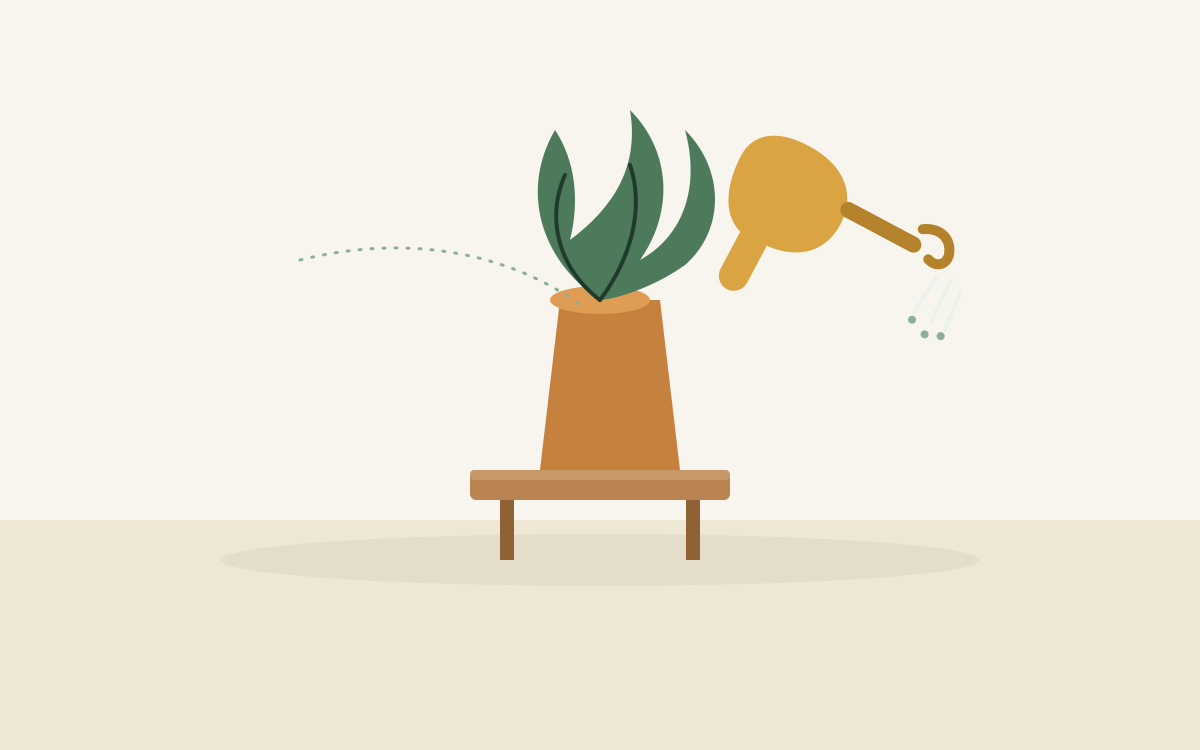
The Complete Beginner's Guide to Watering Houseplants Correctly
A soil-check method that replaces vague weekly watering advice.
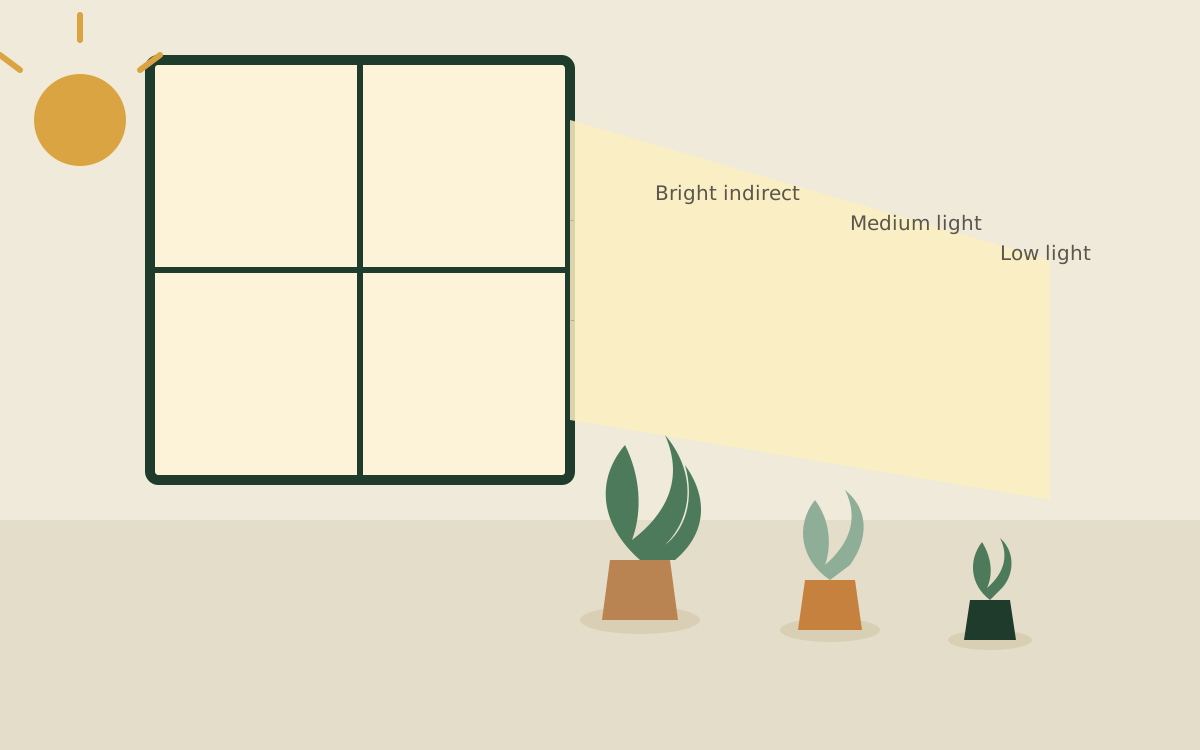
Understanding Light Levels: A Room-by-Room Guide
Measure the real light in your home with the hand-shadow test.
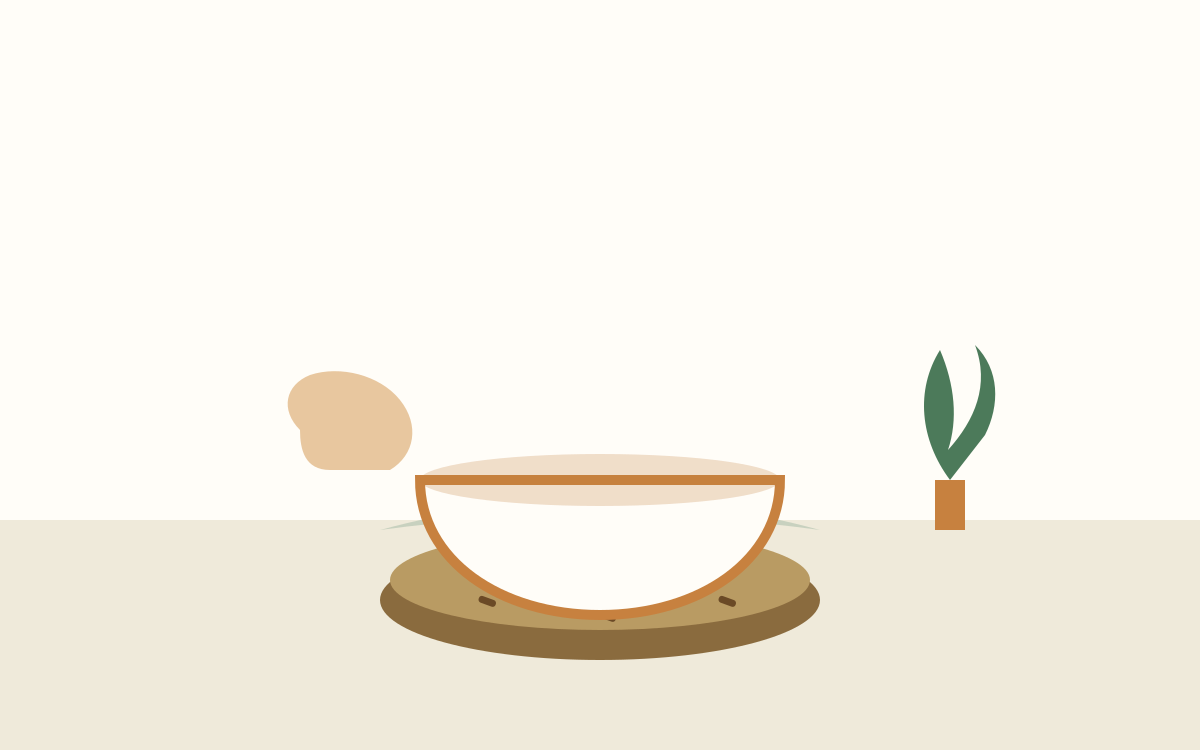
Choosing the Right Potting Soil for Every Type of Houseplant
What's actually in a bag of potting mix, and how to match it to your plant.

Repotting 101: When, Why, and How to Do It
Signs it's time, choosing pot size, and a low-stress step-by-step process.
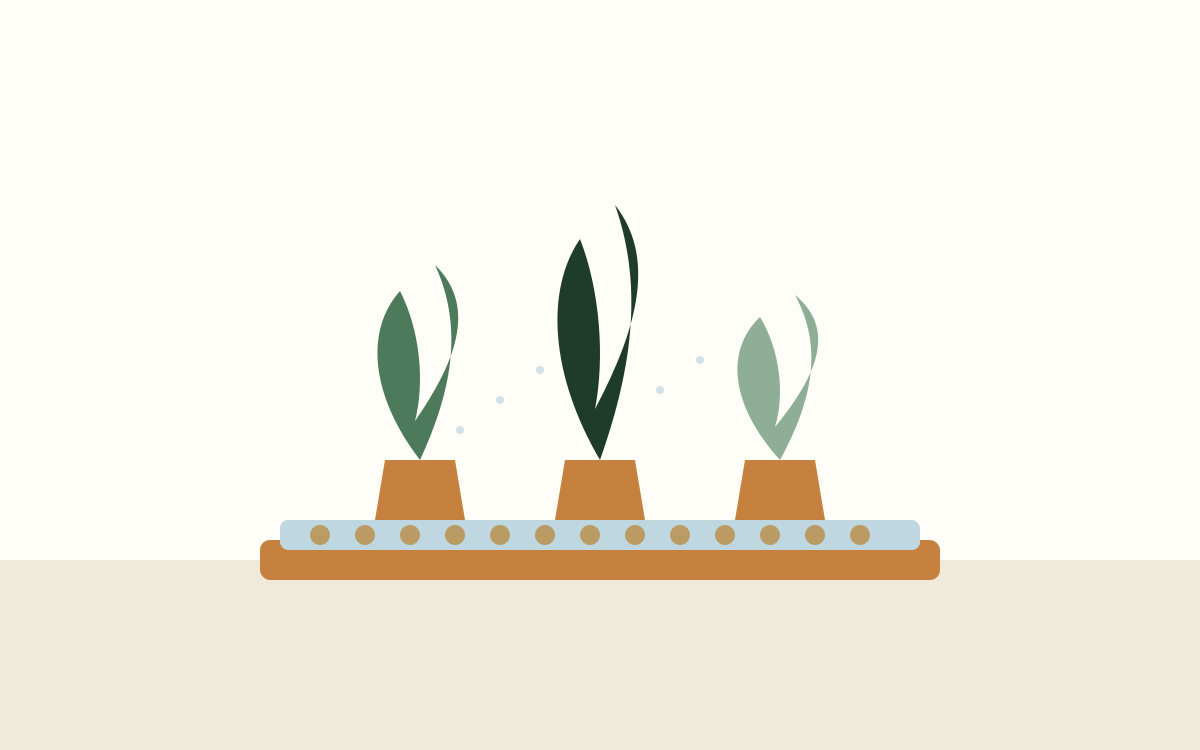
Humidity and Houseplants: What You Actually Need to Know
Which plants need higher humidity, and realistic ways to raise it.
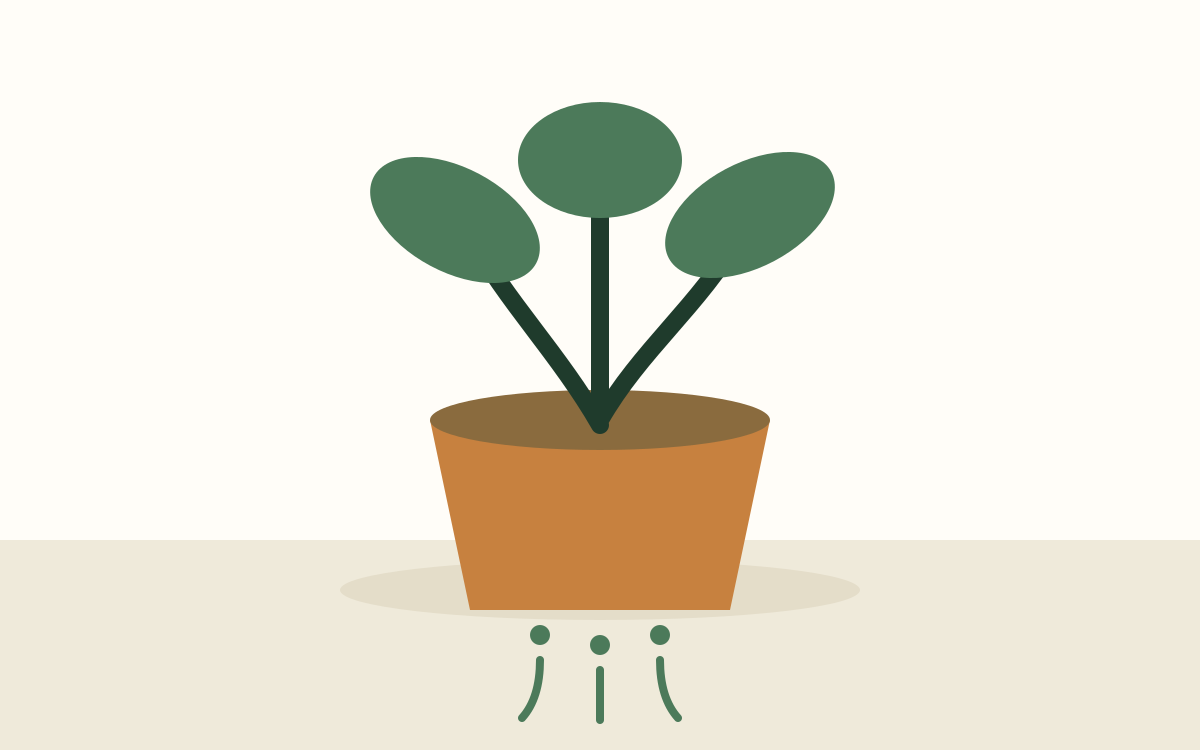
Do Houseplant Pots Need Drainage Holes?
How drainage, cachepots, pot material, and soil structure work together.
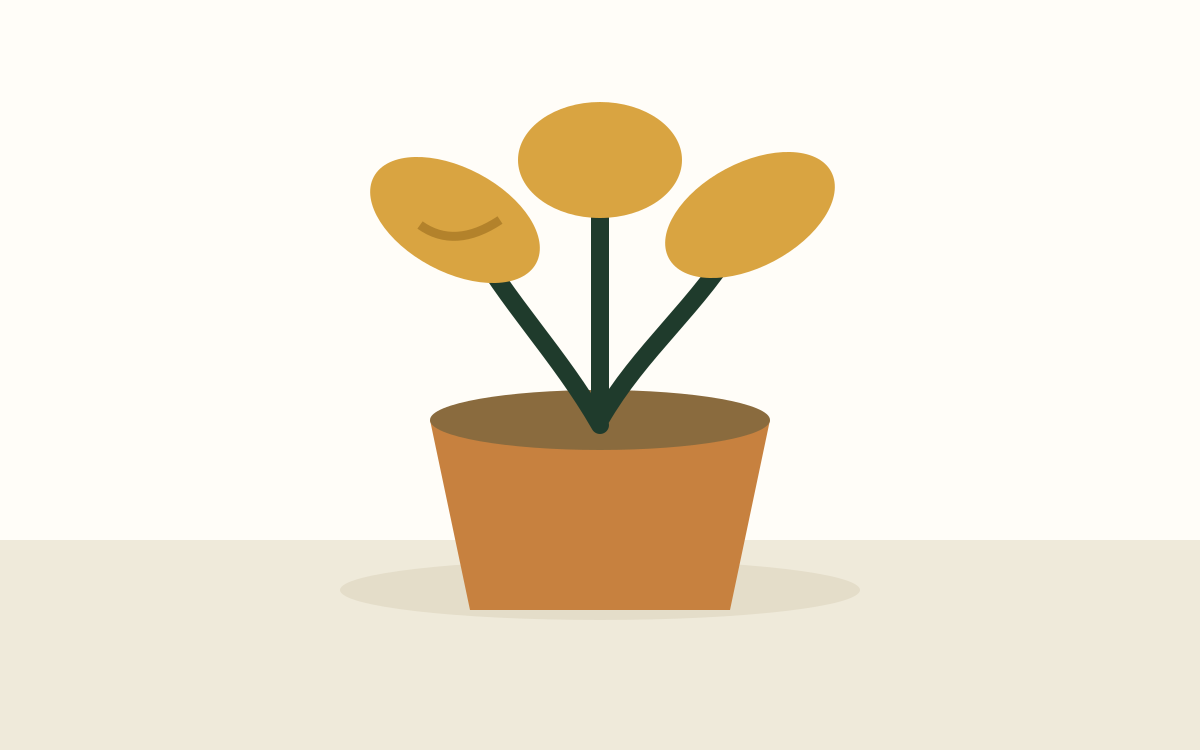
Why Are My Houseplant Leaves Turning Yellow?
Diagnose the pattern before changing water, light, soil, or fertilizer.
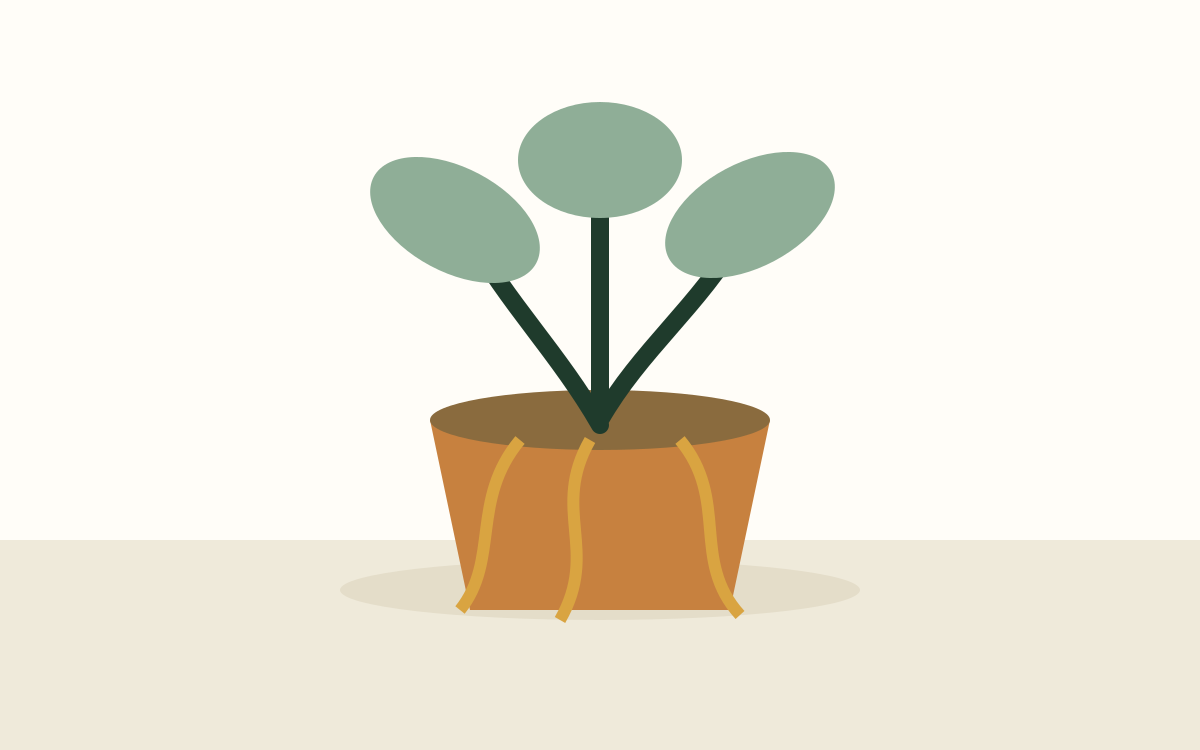
How to Identify and Treat Root Rot
Confirm damage, remove dead roots, and correct the conditions that caused it.
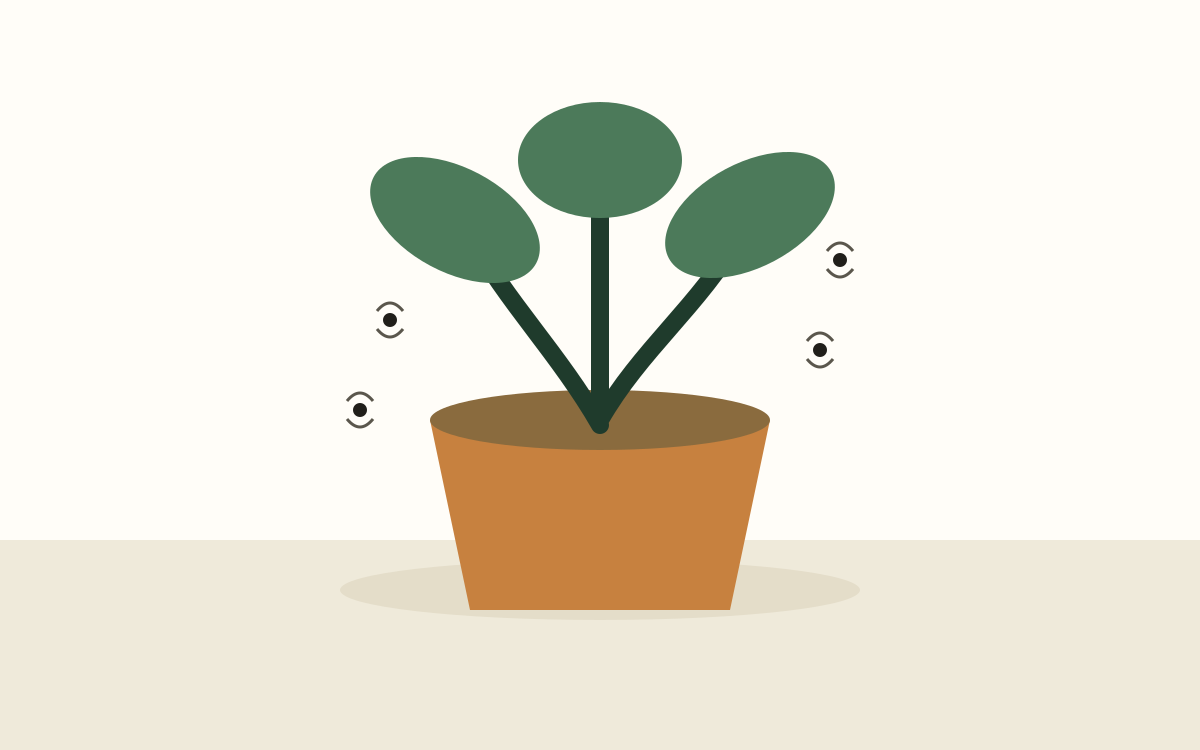
How to Get Rid of Fungus Gnats
Interrupt the lifecycle by managing adults, larvae, and damp breeding sites.
How to Clean Houseplant Leaves Safely
Remove dust, inspect for pests, and protect delicate leaf surfaces.
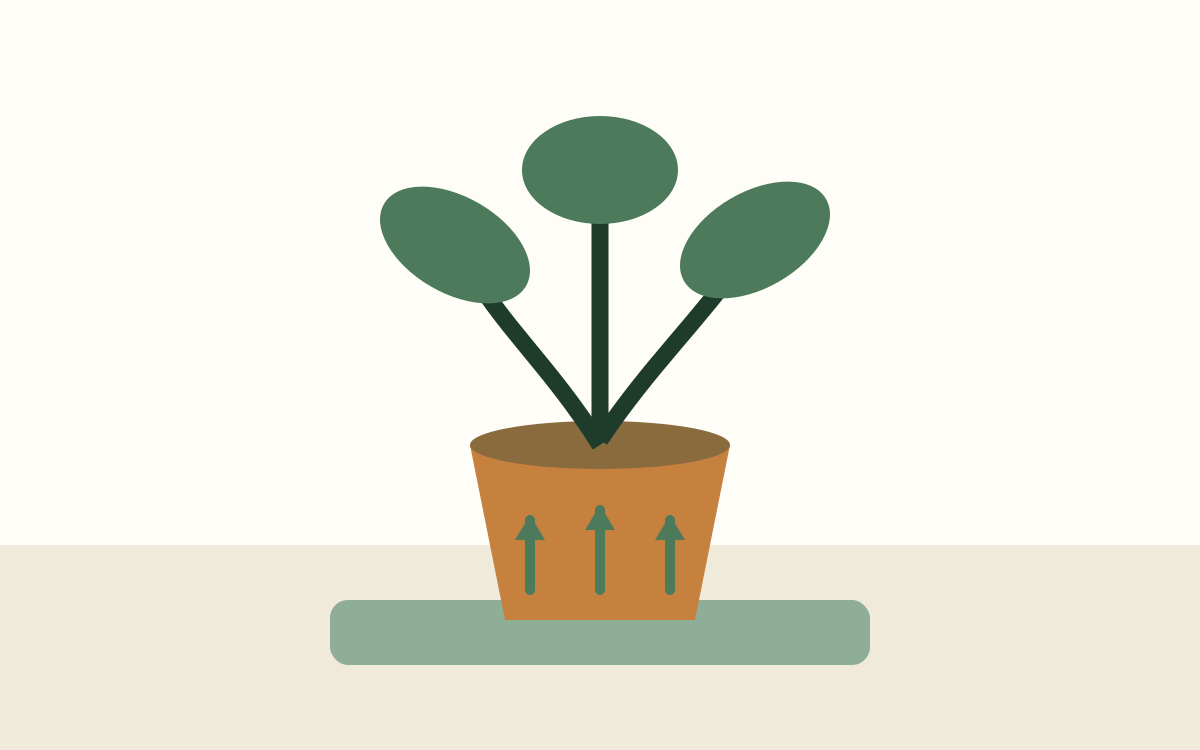
Bottom-Watering Houseplants
Know when soaking helps, how to drain, and why top flushing still matters.
Build a care routine around observation
Successful houseplant care is less about memorizing a schedule and more about learning to read a small set of signals. Soil moisture, new growth, leaf posture, root condition, and the changing light in a room tell you more than a generic instruction to water every Sunday. The guides in this collection teach those signals in a practical order so you can make decisions based on the plant and its environment rather than following a calendar blindly.
Start with watering and light because those two factors explain a large share of common problems. A plant cannot use water normally when light is too weak, and a bright, warm position can dry the same pot much faster than a dim one. Once those basics are stable, soil structure, pot choice, humidity, and feeding become easier to evaluate without changing several variables at once.
A sensible order for beginners
- Measure the available light. Note the window direction, distance from glass, seasonal changes, and whether buildings or trees block the sky.
- Check moisture before watering. Use the soil, pot weight, and the plant's condition together instead of relying on elapsed days alone.
- Confirm drainage and soil structure. Roots need both moisture and oxygen. A mix that stays saturated can cause trouble even when the amount of water seems reasonable.
- Change one thing at a time. When a plant struggles, simultaneous changes to light, watering, fertilizer, and location make it difficult to identify what helped.
- Keep short notes. A date and one sentence about watering, repotting, or new growth is usually enough to reveal patterns over several weeks.
How to diagnose a struggling plant
Begin with the recent history rather than a single damaged leaf. Ask what changed during the last few weeks: shorter days, a move, a heatwave, a new pot, fertilizer, or a missed watering. Then inspect the whole plant, including the newest leaves, older leaves, stems, soil surface, drainage hole, and leaf undersides. One yellow leaf near the base can be normal aging; several rapidly yellowing leaves alongside wet soil point toward a different problem.
Avoid treating a symptom before confirming the cause. Brown tips do not automatically prove low humidity, and yellow leaves do not always mean overwatering. Salt buildup, root damage, inconsistent moisture, intense sun, pests, and natural leaf turnover can create overlapping symptoms. Our watering guide, room-by-room light guide, and potting-soil guide provide the checks needed to narrow the possibilities.
What progress actually looks like
Recovery is usually measured in healthy new growth, not in damaged tissue becoming perfect again. A torn, scorched, or yellowed leaf generally will not return to its original appearance. After correcting the underlying issue, watch whether the problem stops spreading and whether new leaves emerge normally. Give roots and foliage time to respond before making another major adjustment.
Use this category as a reference library rather than a rigid course. If you are dealing with an urgent watering problem, begin there. If a new plant has no suitable location yet, start with light. The goal is a repeatable decision process you can apply to different species and different homes.