Why watering trips up so many beginners
Watering seems like the simplest part of plant care, which is exactly why it causes the most damage. New plant owners are usually told to water "once a week" or "when the soil feels dry," but neither piece of advice accounts for the variables that actually determine how fast a pot dries out: the plant species, the pot material, the pot size, the type of potting mix, the amount of light the plant receives, the humidity in the room, and the time of year.
A pothos in a 4-inch plastic pot on a bright windowsill in July might need water every five days. The same species in a 10-inch terracotta pot in a dim hallway in January might not need water for three weeks. A fixed schedule ignores all of this, which is why so many houseplants are lost to root rot from well-meaning but overly frequent watering, or to drought stress from a rigid schedule that doesn't account for a plant's actual needs.
The good news is that you don't need to memorize a different rule for every plant. You need one reliable method for checking what the soil is actually doing, and a general sense of how that translates into a watering rhythm. That's what this guide covers.
Stop thinking about watering as a schedule. Start thinking about it as a response to a question: "Does this plant need water right now?" You answer that question by checking the soil, not the calendar.
The soil-check method (the only rule you actually need)
The single most useful habit you can build as a new plant owner is checking soil moisture directly before you water, every time, rather than watering on autopilot. There are three practical ways to do this, ranked from most to least reliable for a beginner.
1. The finger test
Push your index finger straight down into the soil, up to your second knuckle (about two inches for most pots). If the soil feels dry at that depth, it's usually time to water. If it feels cool or damp, wait and check again in a few days. This works for the vast majority of common houseplants and costs nothing.
2. The weight test
Lift the pot shortly after watering it thoroughly, and again a few days later. A pot with moist soil is noticeably heavier than the same pot with dry soil. Once you've felt the difference a couple of times, you can often tell a plant's hydration status just by picking it up, which is especially useful for large or heavy plants where digging a finger deep into the soil is impractical.
3. A moisture meter
An inexpensive moisture meter — a probe you insert into the soil that gives a reading on a simple dial — takes the guesswork out of checking soil below the surface, where your finger can't always reach. These are optional, not required, but many beginners find them reassuring while they're building intuition. Treat the reading as a guide, not gospel: mineral content in tap water and old soil can occasionally throw off cheaper meters.
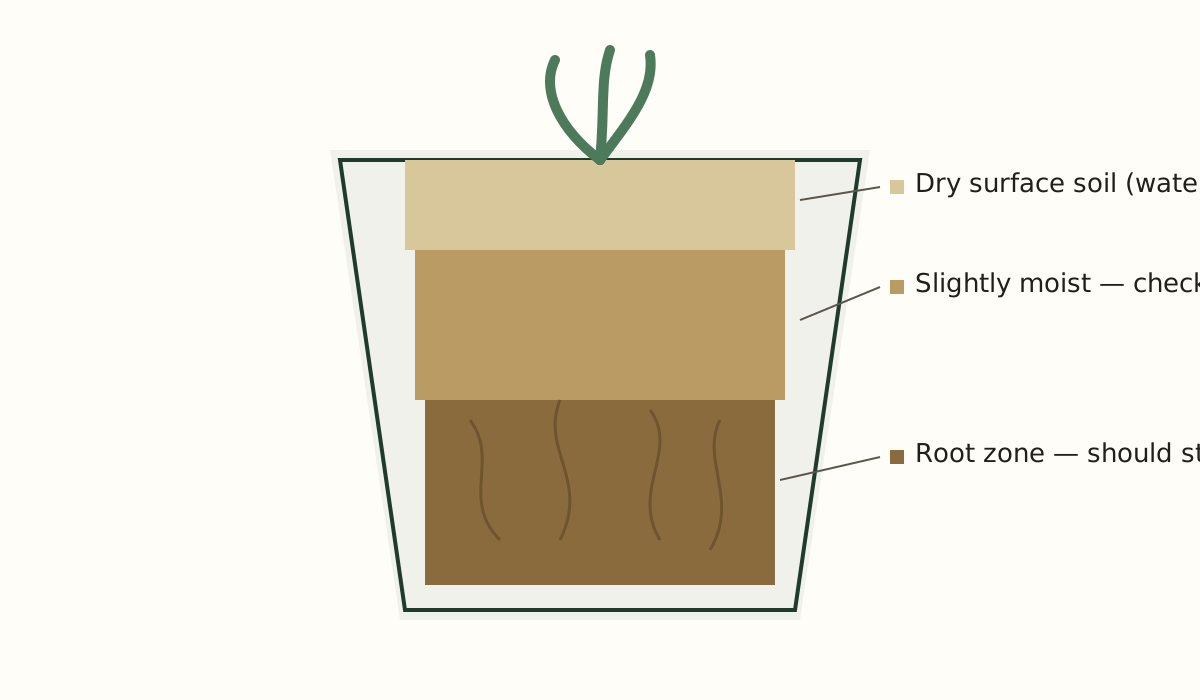
Whichever method you use, the underlying question stays the same: is the soil actually dry at root level, or does it just look dry on the surface? Surface soil dries out much faster than the soil around the roots, which is the single biggest reason beginners overwater — they see a dry-looking top layer and assume the whole pot needs water, when the root zone underneath is often still moist.
How to water a houseplant, step by step
Once you've confirmed a plant actually needs water, how you deliver that water matters almost as much as when. Follow these steps for most standard houseplants in pots with drainage holes:
- Water slowly and evenly around the base of the plant, covering the whole soil surface rather than pouring in one spot, until water begins draining from the holes in the bottom of the pot.
- Let it drain fully. If the pot sits in a saucer or decorative cover pot, empty out any water that collects after about 15–20 minutes. Standing water in a saucer keeps the bottom of the root ball waterlogged even if the top of the soil looks dry.
- Water again if the mix is very dry. Bone-dry potting mix, especially peat-based mixes, can temporarily repel water and let it channel straight down the inside edge of the pot without actually rehydrating the soil. If water runs through almost instantly on the first pass, water a second time a few minutes later to make sure the whole root ball is evenly moist.
- Avoid wetting the leaves and crown of plants prone to fungal issues, such as African violets and succulents with rosette growth patterns. Water at the soil line instead of overhead.
A pot with no drainage hole makes it nearly impossible to judge how much water is pooling at the bottom. If you're using a decorative pot without drainage, keep the plant in its original plastic nursery pot and set that inside the decorative one, removing it to water and drain over a sink.
Signs of overwatering
Overwatering doesn't mean giving a plant "too much water" in a single session — it means watering more often than the plant can actually use the water, so the soil stays saturated and the roots are deprived of oxygen. Watch for these signs:
- Yellowing leaves that feel soft or mushy rather than crisp, often starting with the lower, older leaves.
- A sour or musty smell coming from the soil, which can indicate root rot has set in.
- Soil that stays wet for a week or more after watering, especially in pots without drainage holes.
- Stunted new growth or leaves that drop suddenly while still green.
- Mold or fungus gnats — small flies hovering around the soil surface — which are strongly associated with consistently damp potting mix.
If you suspect root rot, gently remove the plant from its pot and inspect the roots. Healthy roots are typically white, tan, or light in color and feel firm. Rotted roots are brown or black, feel mushy, and may have an unpleasant smell. Trimming away rotted roots with clean scissors, repotting into fresh, dry potting mix, and reducing watering frequency going forward gives the plant the best chance of recovery, though severely rotted plants may not survive.
Signs of underwatering
Underwatering is generally easier to correct than overwatering, but it's still worth recognizing early:
- Dry, crispy leaf edges or tips, particularly on plants with thin leaves like ferns and calathea.
- Leaves that droop or curl but perk back up within hours of watering.
- Soil that has pulled away from the sides of the pot, leaving a visible gap.
- Slow, stalled growth during the active growing season (spring through early fall).
If a pot has dried out completely and water is running straight through without being absorbed, try bottom-watering: set the pot in a basin of a few inches of water for 20–30 minutes so the soil can rehydrate from below, then let it drain fully before returning it to its usual spot.
Realistic watering frequency by plant type
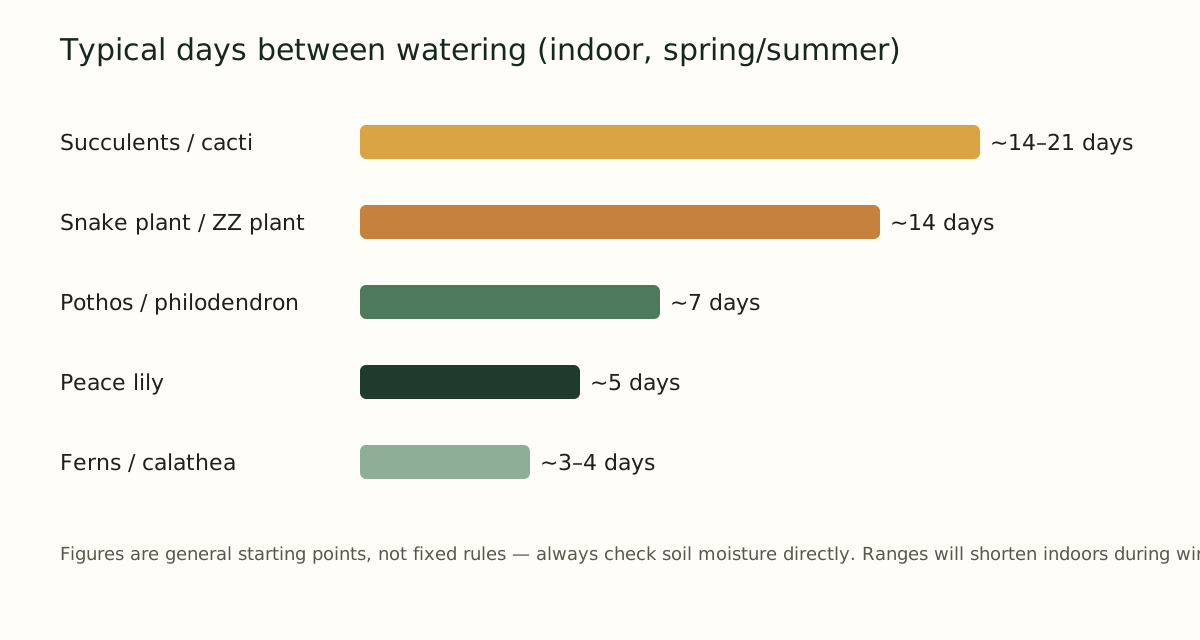
These ranges are starting points for a typical indoor environment during the active growing season, not fixed rules. Always confirm with the soil-check method before watering on this schedule.
| Plant type | Typical interval | Notes |
|---|---|---|
| Succulents & cacti | Every 14–21 days | Let the soil dry out completely between waterings. |
| Snake plant, ZZ plant | Every 10–14 days | Extremely tolerant of missed waterings; more forgiving of underwatering than overwatering. |
| Pothos, philodendron | Every 6–9 days | Water when the top 1–2 inches of soil are dry. |
| Peace lily | Every 4–6 days | Will droop dramatically when thirsty, then recover fast after watering. |
| Ferns, calathea | Every 2–4 days | Prefer consistently moist (not soggy) soil and higher humidity. |
How watering needs change with the seasons
Most common houseplants slow their growth significantly during the shorter, darker days of late fall and winter, even indoors where temperatures stay stable. Slower growth means slower water use, so soil that dried out in five days during July might take two or three weeks to dry out in January. The most frequent beginner mistake in the colder months is sticking to a summer watering rhythm and ending up with consistently soggy soil, right when the plant is least able to use that extra moisture.
Heading indoors for winter, reduce watering frequency and lean more heavily on the soil-check method rather than habit. Plants near heating vents or radiators may dry out faster than the season alone would suggest, so check those individually rather than assuming every plant in the home is slowing down at the same rate.
Does water quality actually matter?
For the majority of common houseplants, ordinary tap water is perfectly fine. A smaller group of plants — including some calathea, dracaena, and spider plants — can be sensitive to the chlorine, fluoride, or mineral salts present in some tap water supplies, which can show up as browning leaf tips over time. If you notice this pattern on a sensitive species and your water is heavily treated or very hard, letting tap water sit out uncovered for 24 hours before use allows some chlorine to dissipate, or you can switch to filtered or distilled water.
Water temperature matters more than most guides mention: very cold water straight from the tap can shock roots, especially on tropical plants. Room-temperature water is a safer default across the board.
Tools that make watering easier
None of these are required, but each solves a specific, common problem:
- A narrow-spout watering can gives you control to direct water at the soil line and avoid wetting leaves or crowns.
- Saucers or trays protect surfaces and let excess water drain away from the root ball instead of pooling underneath it.
- A basic moisture meter helps build confidence while you're still learning to read soil moisture by feel.
- Self-watering pots can help with plants that like consistent moisture, like ferns, but are a poor fit for plants that need to dry out between waterings, like succulents — matching the tool to the plant matters more than the tool itself.
Common watering mistakes to avoid
- Watering on a fixed calendar instead of checking the soil first.
- Giving small "sips" of water frequently instead of watering thoroughly and less often — this wets only the top of the soil and encourages roots to stay near the surface.
- Leaving pots sitting in standing water in a saucer or decorative cachepot.
- Judging moisture from the topsoil alone rather than checking a couple of inches down.
- Watering the same amount year-round without adjusting for slower winter growth.
- Using a pot with no drainage hole and no plan for how excess water will escape.
How your local water supply affects your routine
Municipal water quality varies considerably by region, and this can subtly affect how often and how carefully you need to water beyond the factors already covered elsewhere in this guide. Areas with very hard water — high mineral content — can cause potting mix to compact faster over time as mineral deposits build up in the soil structure, which paradoxically can make soil both drain too fast on the surface and hold water too long lower in the pot. If you notice a white, chalky crust forming on the soil surface or around the drainage holes, that's mineral buildup from hard water, and it's worth flushing the pot periodically with a larger volume of water to help clear accumulated salts before they affect root health. Conversely, very soft or heavily filtered water carries fewer dissolved minerals, which is gentler on sensitive plants but also means it's not compensating for any nutrient gaps the way slightly mineral-rich water incidentally can for plants that aren't fertilized on a regular basis. Neither extreme is a genuine problem for the vast majority of common houseplants, but it's worth knowing your local water hardness if you notice unexplained soil crusting or persistent leaf-tip browning that doesn't match any of the other causes covered elsewhere in this guide.