Propagation & Growth
How to multiply your plant collection through propagation, decide between seed and buying, feed your plants correctly, and adjust care through the seasons.

Houseplant Propagation for Beginners
Where to cut, the three main methods, and when a cutting is ready.
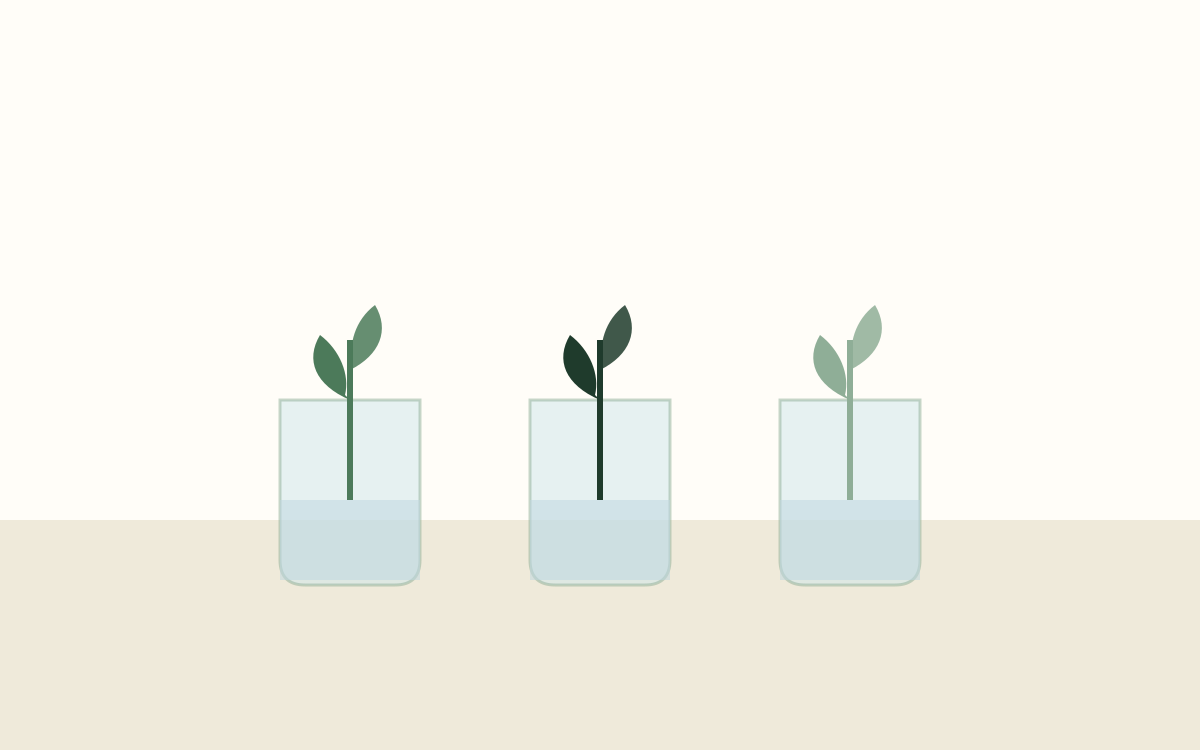
How to Propagate Pothos, Monstera, and Philodendron
Species-specific steps for the three easiest vining houseplants.
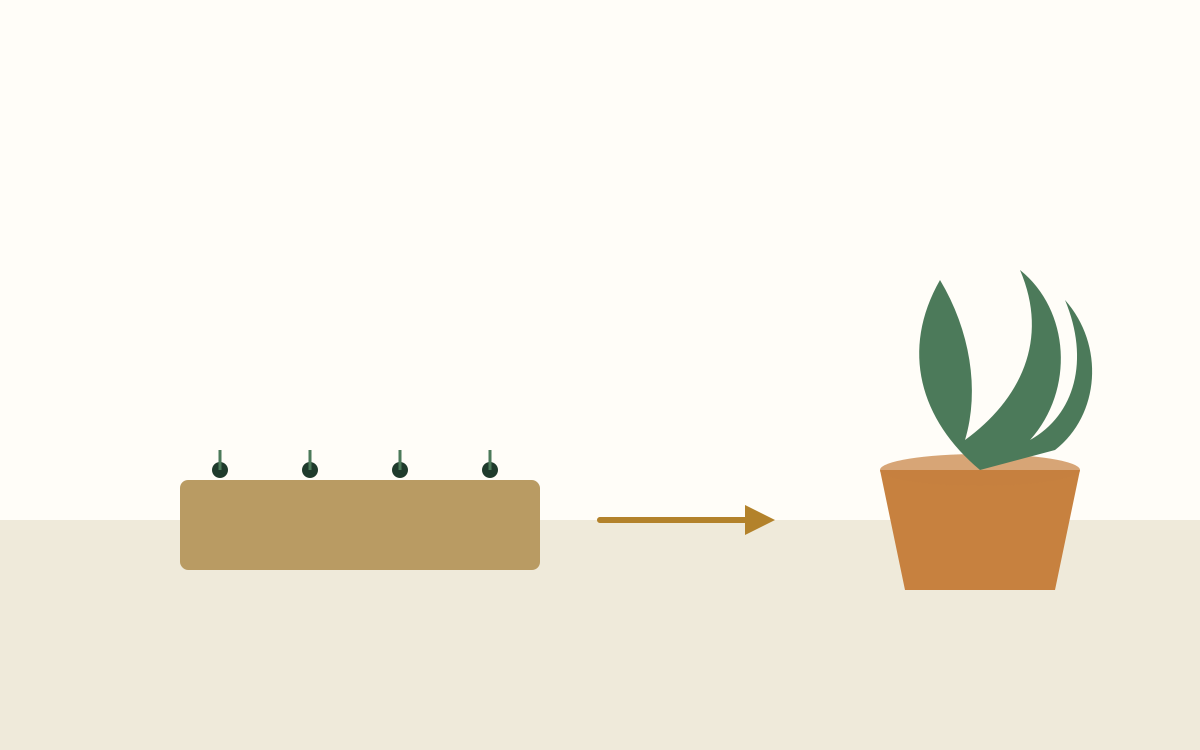
Growing Houseplants From Seed vs. Buying Established Plants
An honest comparison of cost, time, and which species make sense from seed.
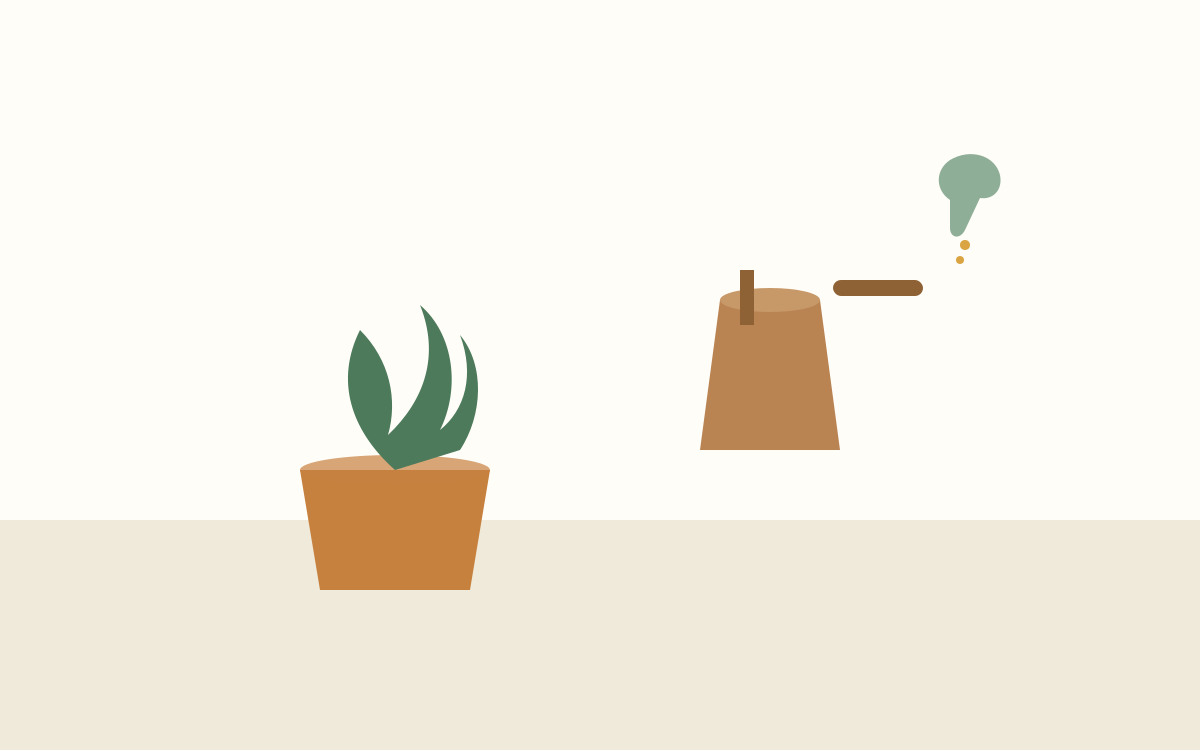
Fertilizing Houseplants: A No-Nonsense Beginner's Schedule
Reading a label, a seasonal schedule, and the mistakes to avoid.

Winter Care for Houseplants
Why so many plants struggle every winter, and how to adjust.
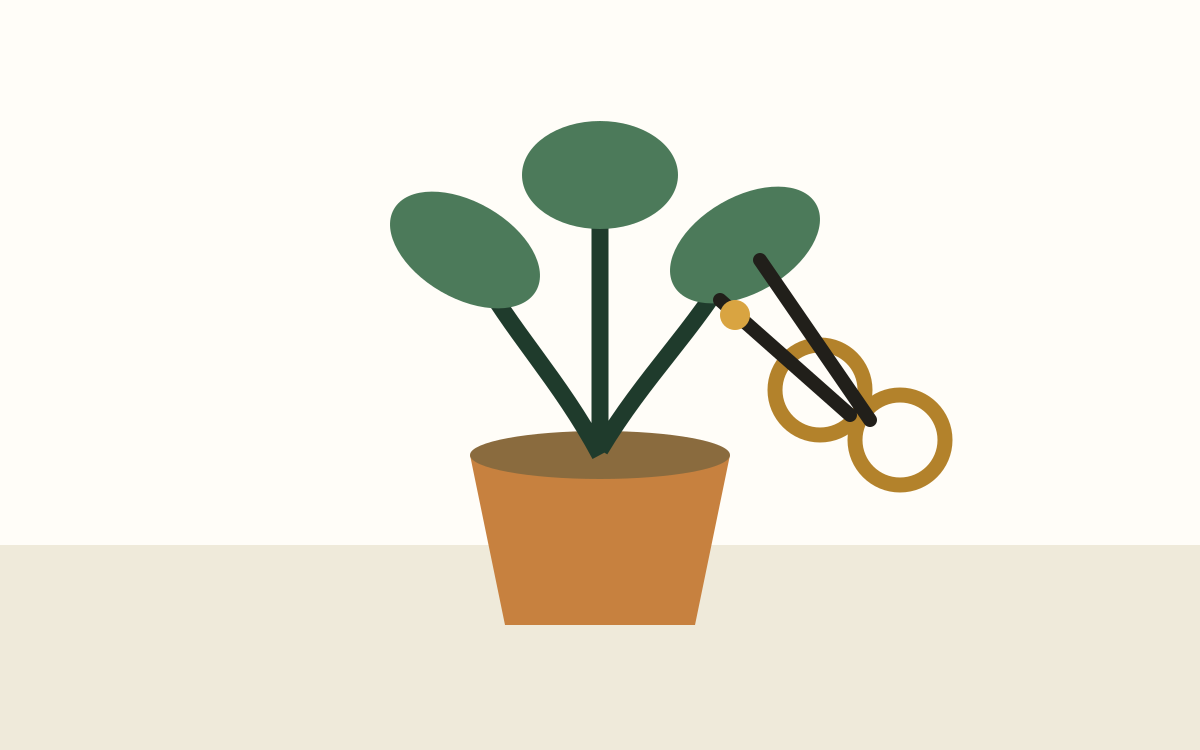
How to Prune Houseplants Safely
Place clean cuts for health, shape, branching, or propagation.

Transplant Shock After Repotting
Separate normal adjustment from urgent decline and stabilize recovery.
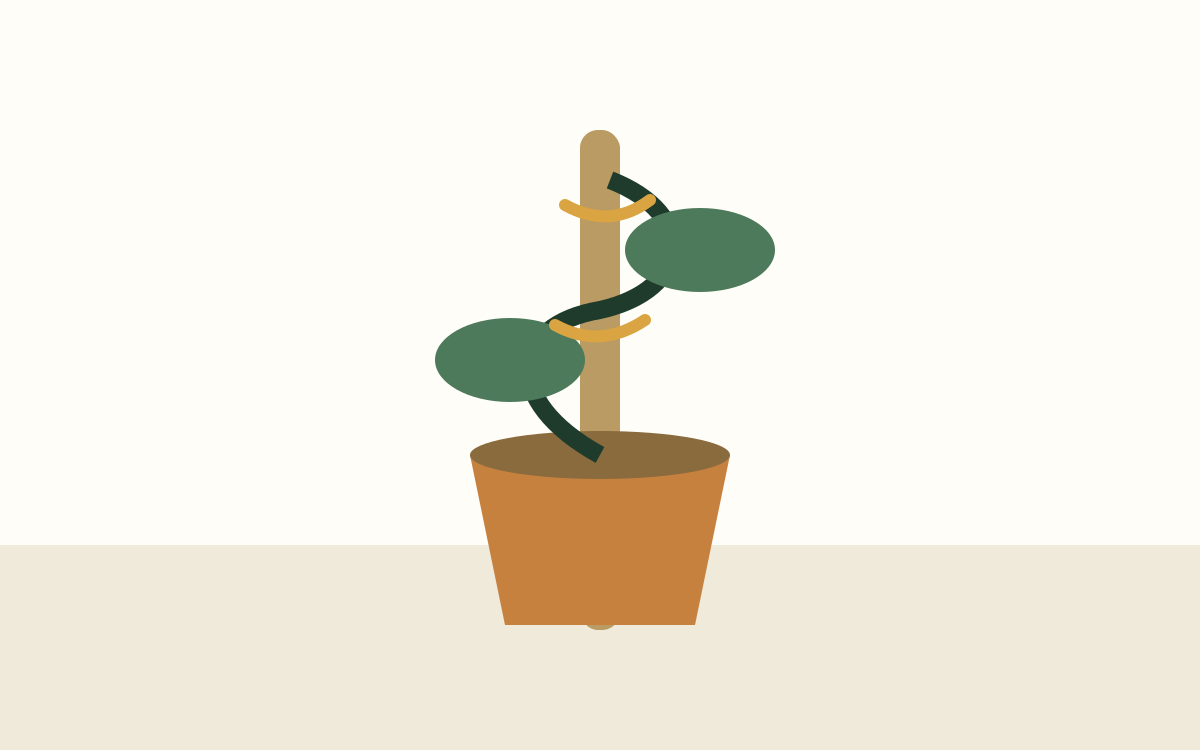
How to Stake and Support Climbing Houseplants
Choose stable supports, protect roots, and train stems without constriction.

How to Keep Houseplants Healthy While You Travel
Plan water, light, caretakers, devices, and return checks from real needs.
Growth starts with the right conditions
Propagation and fertilizing can support growth, but neither can compensate for unsuitable light, damaged roots, or persistently wet soil. Before taking cuttings or increasing fertilizer, confirm that the parent plant is actively growing and reasonably healthy. Material taken from a stressed or pest-infested plant is less likely to establish well, and feeding a plant with compromised roots can make the situation worse.
Growth rate also changes through the year. Longer, brighter days usually increase water and nutrient use, while winter conditions often slow both. Indoor temperatures may remain stable, but day length and light intensity still change. A useful growth plan responds to those signals instead of applying the same routine every month.
Choose the propagation method by plant structure
The correct method depends on where the plant can produce new roots and shoots. Vining aroids such as pothos and heartleaf philodendron root from nodes, so a leaf without a node cannot develop into a complete new plant. Plants that form offsets or divisions are usually multiplied by separating rooted sections. Some woody or difficult stems may respond better to air layering, which allows roots to form while the cutting remains attached to the parent.
Water propagation makes root development easy to observe, but roots formed in water must later adjust to a potting mix. Direct soil propagation avoids that transition but makes moisture harder to judge. Neither method is universally superior. Our beginner propagation guide compares water, soil, division, and air layering, while the vining-plant guide shows exactly where to cut common species.
Use fertilizer as a supplement, not a rescue treatment
Fertilizer supplies mineral nutrients; it is not plant food in the everyday sense and it does not create energy. Plants produce sugars through photosynthesis, so improving inadequate light is often more important than increasing fertilizer. Apply fertilizer only to an established plant that is using water normally and producing or preparing for active growth. Follow the product label, measure accurately, and reduce frequency when growth slows.
More is not better. Excess dissolved salts can damage roots and leaf margins, especially when a potting mix is allowed to dry severely or when drainage is poor. If you suspect overfertilizing, pause feeding, review the product concentration, and consider flushing the mix only when the pot drains freely and the plant is not already waterlogged. The fertilizing guide explains label ratios, timing, and warning signs.
Track progress without disturbing the roots
Repeatedly pulling a cutting from its medium to check for roots can damage the very growth you are trying to encourage. Instead, look for resistance to a very gentle tug, fresh leaf growth, or roots becoming visible through a clear container or drainage hole. Take a dated photograph and compare it after a week or two; gradual progress is easier to see in a record than from daily inspection.
When a cutting is ready to pot, choose a container only slightly larger than its root system and keep the mix evenly, lightly moist during the first adjustment period—not saturated. Increase light gradually if the propagation environment was more sheltered. A successful transition is indicated by stable leaves and new growth, not by rushing into a larger pot or immediate feeding.
Use this collection as a decision path
Begin with the general propagation guide if you are unsure which method fits your plant. Use the species-specific cutting guide for pothos, monstera, and philodendron. Compare seed and established plants before investing in equipment, consult the fertilizing schedule once roots are established, and use the winter-care guide when seasonal changes slow progress. Each guide links back to the relevant watering, light, and soil fundamentals so growth advice stays connected to the conditions that make it possible.