
Why winter care genuinely needs to be different
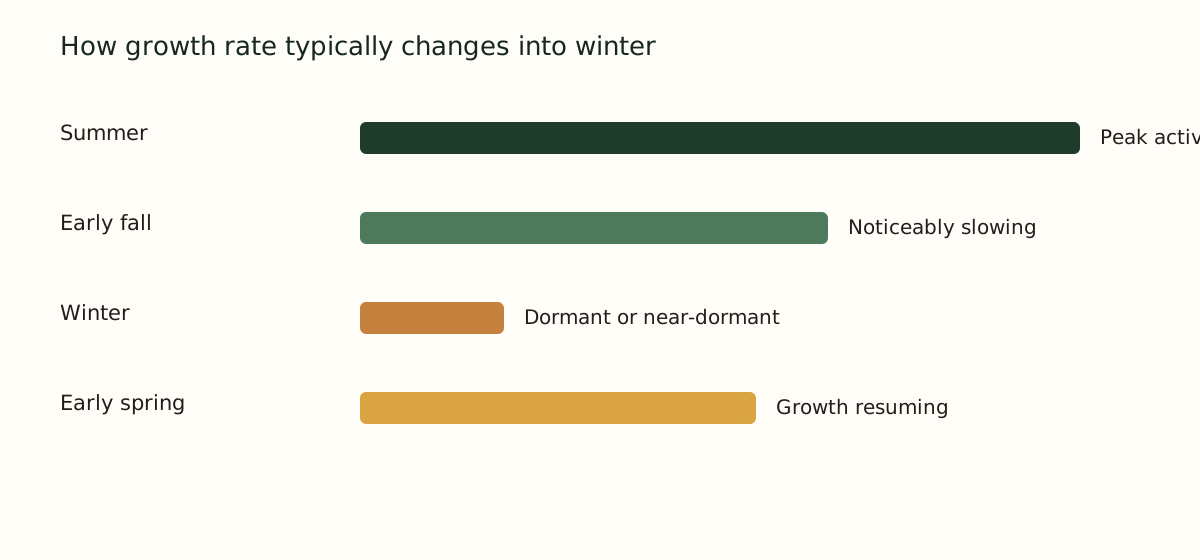
Even in a climate-controlled home, most common houseplants respond to the shorter days and lower light angle of winter by slowing their growth substantially, entering a period sometimes called winter dormancy or semi-dormancy that can catch new plant owners genuinely off guard. This isn't a malfunction or a sign of poor care — it's a natural response tied primarily to day length rather than temperature alone, which is why plants slow down even in homes that stay a comfortable, consistent temperature year-round through central heating. A plant using less energy for growth also uses less water and fewer nutrients, which is the underlying reason so many of the specific winter adjustments in this guide exist: they're about matching your care routine to the plant's actual reduced activity level, not introducing anything fundamentally new or complicated to an established care routine.
Adjusting your watering routine
This is the single most important winter adjustment, and the one most beginners get wrong without realizing it. Soil that dried out in five to seven days during summer can easily take two to three weeks to dry out at the same rate in winter, since the plant is using dramatically less water to support its slowed growth during this dormant or semi-dormant period. Continuing a summer watering schedule into winter is one of the most common causes of winter plant losses, and it happens specifically because the soil stays wet far longer than the plant can use, creating exactly the consistently damp conditions that lead to root rot over the following weeks. Lean more heavily on the soil-check method described in our watering guide during winter rather than any fixed schedule, checking soil moisture directly before each watering rather than watering out of habit or a set weekly routine.
Fertilizing in winter
As covered in more detail in our fertilizing guide, most common houseplants should receive little to no fertilizer during winter dormancy, regardless of how consistently you may have been feeding them through the rest of the year. A dormant or slow-growing plant has minimal use for the extra nutrients, and unused fertilizer accumulates as salts in the soil rather than being taken up by the plant, which can cause root damage that becomes more apparent once growth resumes in spring and the plant's water demands increase again. Resuming a normal fertilizing schedule alongside increased watering, once you see clear signs of new spring growth, is a more reliable cue than switching by calendar date alone, since indoor conditions and specific plant responses vary somewhat from home to home and even room to room within the same house.
Compensating for reduced light
Beyond shorter days, the sun's lower angle in winter means less light actually reaches a typical window compared to the same spot in summer, even accounting for the shorter daylight hours alone as a separate factor. A spot that qualified as bright indirect light in June can drop to medium or even low light by December, as covered in our light levels guide, without anything about the window or room having physically changed. Moving light-hungry plants closer to available windows during winter, wiping dust off leaves more frequently (dust accumulation blocks a meaningful amount of light over time and is easy to overlook), and considering a supplemental grow light for particularly light-demanding species are all reasonable responses to this seasonal shift rather than signs that something has gone wrong with the plant itself or your general care routine.
Temperature swings, drafts, and heating vents
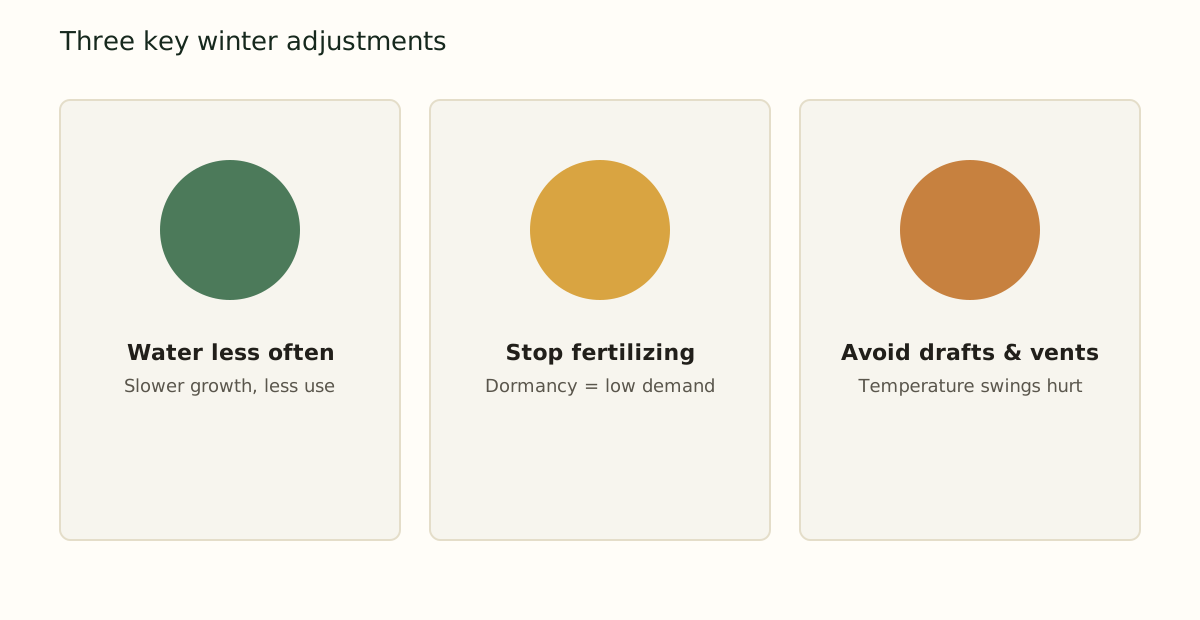
Most common houseplants, being tropical or subtropical in origin, are sensitive to sudden temperature swings and cold drafts in ways that aren't always obvious from casual observation or a quick glance at the room's overall thermostat reading. A spot near a frequently opened exterior door, a drafty older window, or directly in the path of cold air from a poorly sealed frame can stress a plant even if the room's average temperature seems perfectly reasonable on paper. At the opposite extreme, placing a plant directly in the path of a heating vent or radiator dries out both the plant and its soil far faster than the rest of the room, creating a misleadingly fast watering need that has more to do with placement than the plant's actual seasonal water requirements at that point in its growth cycle. Moving vulnerable plants a few feet away from both cold drafts and direct heat sources during winter addresses a meaningful share of common winter plant problems without requiring any other change to your established routine.
Winter humidity
Heating systems warm dry outdoor winter air without adding moisture back into it, which is why indoor humidity commonly drops noticeably during winter months, sometimes into the 20–30% range in homes with forced-air heating running consistently throughout the day. As covered in our humidity guide, this seasonal drop is often when humidity-sensitive plants like ferns and calathea show the most visible stress, even without any change to their watering or light conditions in the meantime. Checking a hygrometer reading during winter specifically, and increasing humidity-boosting efforts during this period rather than maintaining exactly the same approach year-round, targets the actual seasonal cause more efficiently than a constant, unchanging routine applied regardless of the actual measured conditions in the room.
Normal winter dormancy vs. an actual problem
A meaningful part of successful winter plant care is learning to distinguish normal, expected dormancy from an actual developing problem, since treating normal dormancy as a crisis often leads to well-intentioned but genuinely counterproductive overcorrection that can do more harm than the perceived issue itself.
| Normal winter dormancy | Signs of an actual problem |
|---|---|
| Slower or paused new growth | Widespread yellowing or leaf drop across the whole plant |
| Slightly duller leaf color | Soft, mushy stems or a sour smell from the soil |
| Longer intervals between waterings | Soil that stays wet for two or more weeks after watering |
| No flowering (for seasonal bloomers) | Sudden, dramatic wilting despite moist soil |
If you're seeing symptoms from the right-hand column, the cause is more likely overwatering (frequently from continuing a summer schedule too long into winter), a cold draft, or proximity to a heating vent than a normal seasonal response, and it's worth investigating and adjusting rather than waiting it out.
How winter dormancy varies by plant type
Not every houseplant slows down to the same degree, and knowing where a specific plant falls on this spectrum helps calibrate exactly how much to adjust its care during the colder months. Fast-growing tropical foliage plants like pothos and philodendron typically show a moderate slowdown — noticeably reduced but not fully stopped growth, and a correspondingly moderate reduction in watering needs compared to their summer peak. Plants that are already naturally slow-growing, including snake plant and ZZ plant, show a less dramatic seasonal contrast simply because their summer growth rate wasn't dramatically faster to begin with, though their watering needs still drop meaningfully in winter regardless. Some plants, particularly certain succulents and specific bulb-forming species, follow a more pronounced true dormancy cycle where growth essentially halts entirely for a period, sometimes requiring watering to be reduced to almost nothing rather than simply less frequent. Checking the specific dormancy pattern for less common or more specialized plants in your collection, rather than assuming every plant follows an identical winter pattern, produces meaningfully better results than a one-size-fits-all seasonal adjustment applied uniformly.
Using grow lights to reduce winter dormancy
For collectors who want to minimize winter slowdown rather than simply accommodate it, supplemental grow lighting on a consistent daily timer can maintain something closer to summer-level light exposure even as natural daylight hours shrink noticeably. A full-spectrum LED grow light run for 12 to 14 hours daily can keep certain plants growing at a more consistent pace through winter, which some growers specifically use for plants they want to keep actively developing year-round, including plants being trained onto a support or grown specifically for size or fullness. This isn't necessary for general houseplant health — most plants handle a natural winter slowdown without any issue — but it's a reasonable option for anyone specifically trying to minimize seasonal variation in their collection's appearance or growth rate.
Common winter care mistakes to avoid
- Continuing a summer watering schedule without adjusting for slower soil drying, by far the single most common and most damaging winter mistake beginners make.
- Panicking over normal slowed growth and responding with more water or fertilizer than usual, which typically makes the underlying issue meaningfully worse rather than better in the following weeks.
- Placing plants directly above or beside heating vents for the entire winter without accounting for the localized, faster drying effect this specific placement creates on both soil and foliage.
- Assuming a plant is dying rather than simply dormant and discarding or drastically pruning a plant that would have recovered fully and resumed normal growth once spring conditions returned.
- Repotting during peak winter dormancy rather than waiting for spring, when the plant is far better equipped to recover from the root disturbance involved.
Preparing for the return to active growth
As days lengthen in late winter and early spring, watch for the first clear signs of resumed active growth — new leaves unfurling, a noticeably faster pace of soil drying between waterings, or visible new stem extension compared to what you observed over the previous couple of months. These signs, rather than a fixed calendar date, are the most reliable cue to gradually resume a summer-style care routine: increasing watering frequency in response to faster soil drying, reintroducing fertilizer at a light dilution rather than jumping straight back to full strength, and considering repotting for any plants that have become root-bound, since spring is generally the best time for repotting as covered in our repotting guide.