How we verified pet safety for this list
Every plant on this list is cross-checked against the ASPCA's published list of non-toxic plants for cats and dogs, which is the most widely cited reference for pet plant safety in the United States. "Non-toxic" in this context means the plant is not known to cause poisoning; it doesn't guarantee that a pet chewing on a large quantity of any plant material won't experience mild stomach upset, which can happen with almost any non-food plant matter regardless of official toxicity status.
We deliberately excluded plants with a "mixed" or regionally inconsistent safety reputation, even when some sources describe them as generally safe, in favor of species with clear, consistent non-toxic classifications. We also excluded plants that are technically non-toxic but carry other common household risks unrelated to pet safety, such as significant thorns or an unusually high tendency to trigger human skin irritation on contact, since a genuinely pet-friendly plant should be low-hassle for the whole household, not just safe if eaten by a curious animal.
Three standout picks
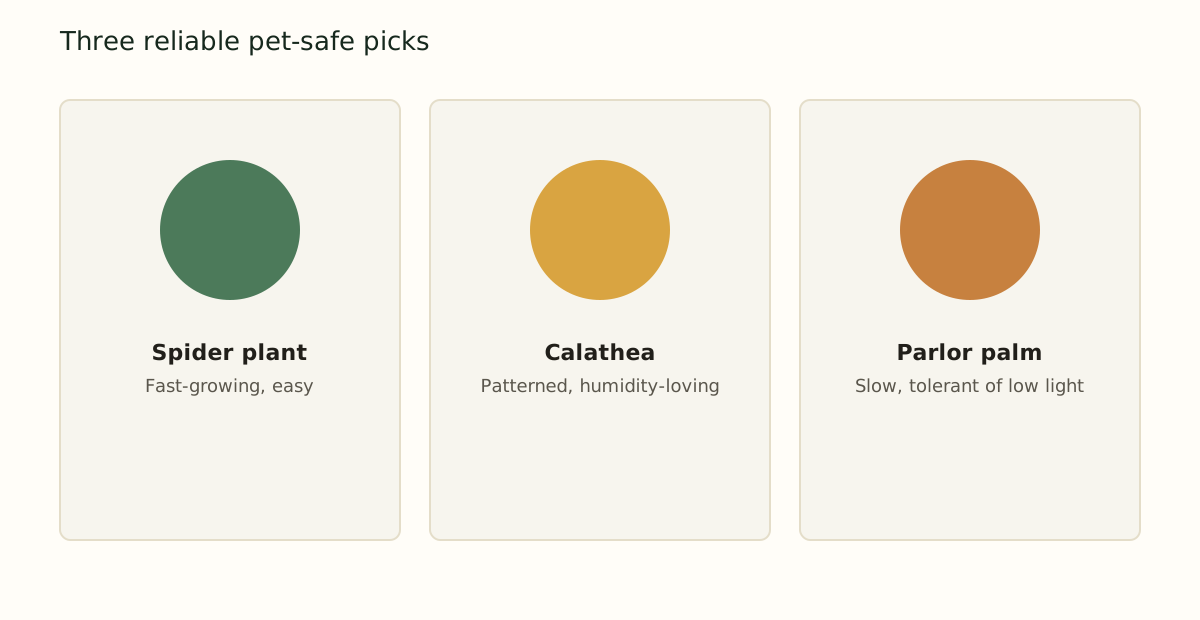
Spider plant is close to the default recommendation for pet owners new to houseplants — it tolerates a wide range of light and watering mistakes, propagates easily from the small plantlets it produces, and is non-toxic to both cats and dogs. Parlor palm is slow-growing but extremely tolerant of lower light and inconsistent watering, making it a good fit for apartments without strong natural light. Calathea is more particular about humidity and water quality, but its patterned foliage makes it a popular choice for owners willing to put in slightly more effort for a pet-safe statement plant.
The full list of 15 pet-safe houseplants
| Plant | Light needs | Watering | Difficulty |
|---|---|---|---|
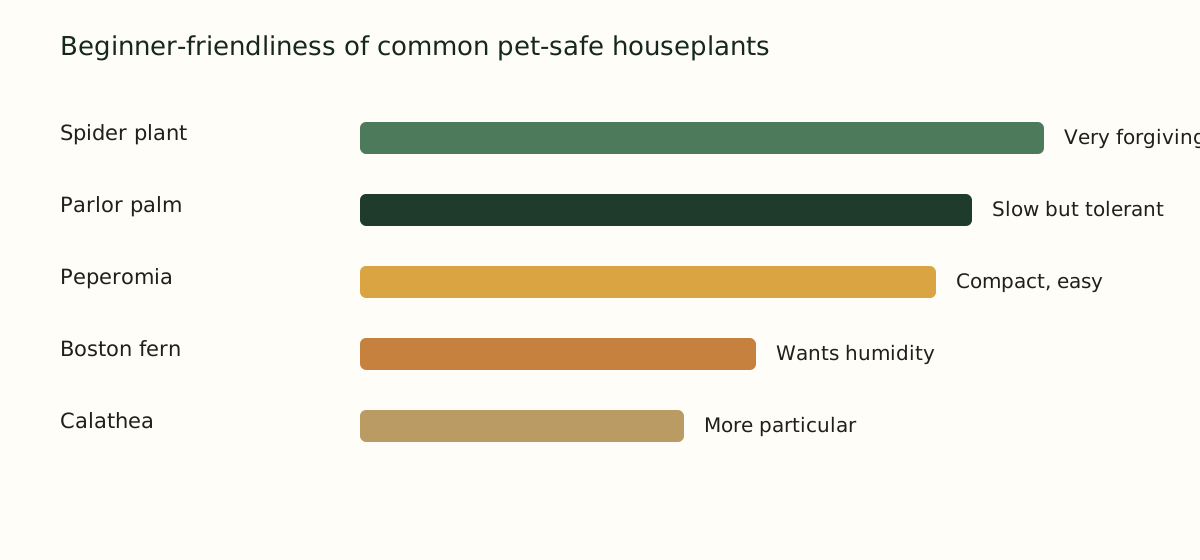
| Spider plant | Medium to bright indirect | Weekly, let dry between | Very easy |
| Parlor palm | Low to medium | Every 7–10 days | Easy |
| Calathea | Medium, no direct sun | Keep evenly moist | Moderate |
| Boston fern | Medium, indirect | Keep consistently moist | Moderate |
| Peperomia | Medium to bright indirect | Every 7–10 days | Very easy |
| Ponytail palm | Bright, some direct | Every 2–3 weeks | Very easy |
| Areca palm | Bright indirect | Weekly | Easy |
| Prayer plant | Medium, indirect | Keep evenly moist | Moderate |
| Friendship plant | Medium indirect | Every 5–7 days | Easy |
| Baby rubber plant (Peperomia obtusifolia) | Medium to bright indirect | Every 10 days | Very easy |
| Bird's nest fern | Medium, indirect | Keep evenly moist | Moderate |
| Hoya (wax plant) | Bright indirect | Every 10–14 days | Easy |
| Haworthia | Bright indirect to direct | Every 2–3 weeks | Very easy |
| Watermelon peperomia | Medium to bright indirect | Every 7–10 days | Easy |
| Staghorn fern | Bright indirect | Weekly soak or mist | Moderate |
This list intentionally leans toward foliage plants with a genuine track record of tolerating beginner mistakes. A handful of popular flowering pet-safe options — African violets and orchids among them — were left off not because they're unsafe, but because they demand more specific care than fits a "genuinely easy" list.
A closer look at each pick
Spider plant tolerates a wide range of light conditions and irregular watering better than almost any other houseplant on this list, and it produces small plantlets on long stems that are simple to propagate into new plants for friends or other rooms in your home. It's also one of the most widely recommended entry-level plants for first-time owners specifically because of how visibly forgiving it is.
Parlor palm grows slowly but steadily in conditions that would stress faster-growing plants, including low light and inconsistent watering, which makes it a reliable pick for offices and apartments without strong natural light.
Calathea rewards a bit of extra attention to humidity and water quality with genuinely striking patterned foliage; see our full humidity guide if you're considering one for a drier home.
Boston fern prefers consistently moist soil and higher humidity than average, making it a strong candidate for a bathroom with a window or a spot near a humidifier rather than a dry living room corner.
Peperomia stays compact, tolerates a range of light levels, and is genuinely difficult to overwater to death compared to thinner-leaved plants, thanks to its fleshy, water-storing leaves.
Ponytail palm is technically a succulent despite its palm-like appearance, storing water in its bulbous base and tolerating long stretches between waterings, making it an excellent choice for forgetful or frequently traveling owners who don't want to arrange plant-sitting for a two-week trip.
Areca palm grows into a fuller, more substantial plant over time and adds a soft, feathery texture that reads differently from broad-leafed houseplants, while remaining relatively tolerant of average indoor conditions.
Prayer plant is closely related to calathea and shares its striking foliage patterns along with a similar preference for consistent moisture and higher humidity, plus a distinctive habit of folding its leaves upward at night.
Friendship plant (Pilea involucrata, not to be confused with the also pet-safe Pilea peperomioides) has quilted, textured leaves and stays compact, making it well suited to shelves, desks, or other smaller display spaces.
Baby rubber plant is a peperomia relative with thicker, glossier leaves and the same forgiving, hard-to-overwater-to-death growth habit that makes peperomias broadly beginner-friendly.
Bird's nest fern has broad, ripple-edged fronds rather than the fine, delicate fronds typical of other ferns, and while it still prefers consistent moisture, its thicker leaves tolerate minor watering lapses somewhat better than Boston fern.
Hoya is a slow-growing vining plant with thick, waxy leaves that store water efficiently, tolerating some neglect between waterings, and mature plants can produce clusters of star-shaped, fragrant flowers.
Haworthia is a small, low-maintenance succulent that tolerates bright light and infrequent watering, making it one of the easiest pet-safe options for a sunny windowsill.
Watermelon peperomia gets its name from its distinctively striped leaves and shares the same forgiving watering tolerance as other peperomia species, while offering a more visually distinctive look.
Staghorn fern is more visually dramatic and typically mounted rather than potted, requiring slightly more specialized care than the rest of this list, but rewards that effort with an unusual, sculptural growth habit that few other pet-safe plants can match, making it a good "next plant" once you've built confidence with easier picks.
Rather than replacing an entire existing plant collection at once, most owners find it easier to phase in pet-safe swaps gradually — checking new acquisitions against a trusted toxicity list before purchase, and rehoming or relocating any confirmed-toxic plants already in the home to spaces the pet can't access. This staged approach is far less overwhelming than trying to audit and replace a large collection in a single weekend.
Beginner-friendliness at a glance
Matching a pet-safe pick to your specific home and pet
Beyond safety, the right pet-safe plant for you depends on a few practical factors specific to your household. If you have a cat that likes to climb and knock things over, a trailing or hanging plant kept out of paw's reach, or a heavier, more stable pot for a floor plant, avoids the most common source of pet-plant conflict — not toxicity, but simple physical destruction. If your pet tends to dig in soil, a plant with a thick top-dressing of decorative stones can discourage digging without affecting the plant itself. And if your home runs dry from central heating, leaning toward the more drought-tolerant picks on this list — ponytail palm, haworthia, spider plant — will generally cause fewer problems than the more humidity-demanding options like calathea and Boston fern.
It's also worth thinking about placement relative to where your pet actually spends time. A plant kept on a high shelf or in a room your pet doesn't frequent removes most of the practical risk of chewing or digging regardless of which species you choose, while a plant at floor level in a room your pet uses constantly will get more attention from a curious animal no matter how non-toxic it happens to be. Multi-pet households add another layer of consideration: a plant placement that works fine for a calm senior dog may need to be reconsidered entirely for a young, highly active cat sharing the same home.
"Pet-safe" doesn't mean risk-free
A non-toxic classification means the plant isn't known to cause poisoning, but it doesn't eliminate every possible concern. Large, sharp-edged leaves can still cause minor mechanical irritation if chewed vigorously. Plants growing in soil treated with fertilizer or pest-control products can pose a separate risk unrelated to the plant itself — always check product labels for pet safety if you're using any soil additives, since a fertilizer or pesticide can be genuinely harmful even on an otherwise completely non-toxic plant. And a pet that repeatedly digs in a pot's soil can ingest enough loose material to cause mild digestive upset regardless of the plant species involved.
It's also worth noting that toxicity databases are periodically updated as new research becomes available, and regional or cultivar variations can occasionally affect a plant's classification. Treat any published toxicity list, including this one, as a strong starting reference rather than an absolute, permanently fixed guarantee, and recheck a plant's status if you have any doubt.
If your pet ingests any plant material and shows symptoms like vomiting, lethargy, or difficulty breathing, contact your veterinarian or an animal poison control hotline immediately, regardless of whether the plant is generally considered non-toxic. This article is educational and does not replace professional veterinary guidance.
How to verify any plant yourself
Before bringing home a new plant, especially one not covered on this list, check its exact botanical name — not just its common name — against the ASPCA's toxic and non-toxic plant database, since common names frequently overlap between genuinely different species with very different toxicity profiles entirely. "Lily" is a notorious example: true lilies (Lilium species) are severely toxic to cats, while plants casually called "peace lily" belong to an entirely different, less dangerous genus (Spathiphyllum) but can still cause mouth and throat irritation. When in doubt, search the specific Latin name rather than relying on a common nickname.
Plant tags at nurseries and garden centers sometimes include the botanical name in smaller print below the common name — it's worth taking a photo of the full tag when purchasing a new plant so you have the exact species on hand for reference later, particularly if you're building out a larger plant collection over time and want to keep a reliable, easily searchable record of what's actually confirmed safe in your specific home.
Building a starter pet-safe collection
If you're starting from scratch, a reasonable approach is picking two or three plants from different points on the difficulty spectrum covered in this list rather than committing to a single species right away from the start. Spider plant and peperomia give you fast, visible results and near-guaranteed success early on, which builds genuine confidence right from the beginning. Parlor palm or ponytail palm add a different growth habit and texture to the mix without demanding more attention. Once those are established and thriving, a slightly more particular pick like calathea or a prayer plant gives you room to develop more advanced skills — reading humidity needs, adjusting watering more precisely — without risking a plant you're emotionally attached to on day one. This staged approach, starting easy and adding complexity gradually, tends to produce far more confident, successful plant owners than attempting a large, ambitious collection all at once, and it naturally builds the observational habits — checking soil, watching leaf color, noticing growth patterns — that make every other guide on this site easier to apply in practice.